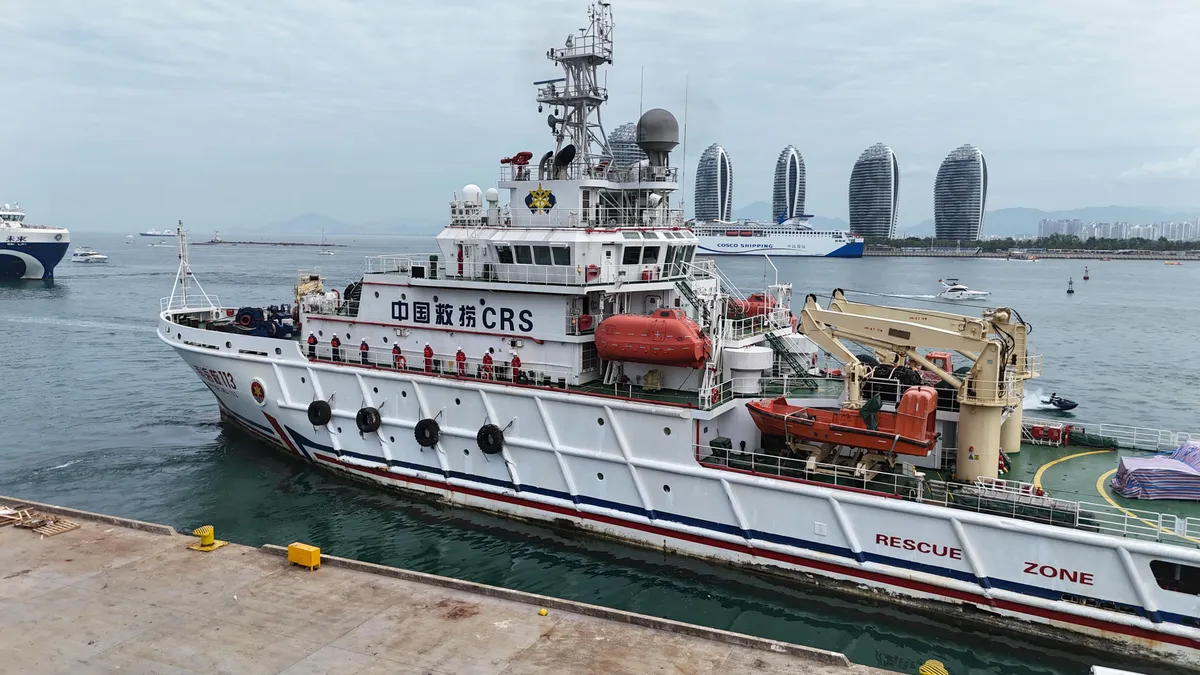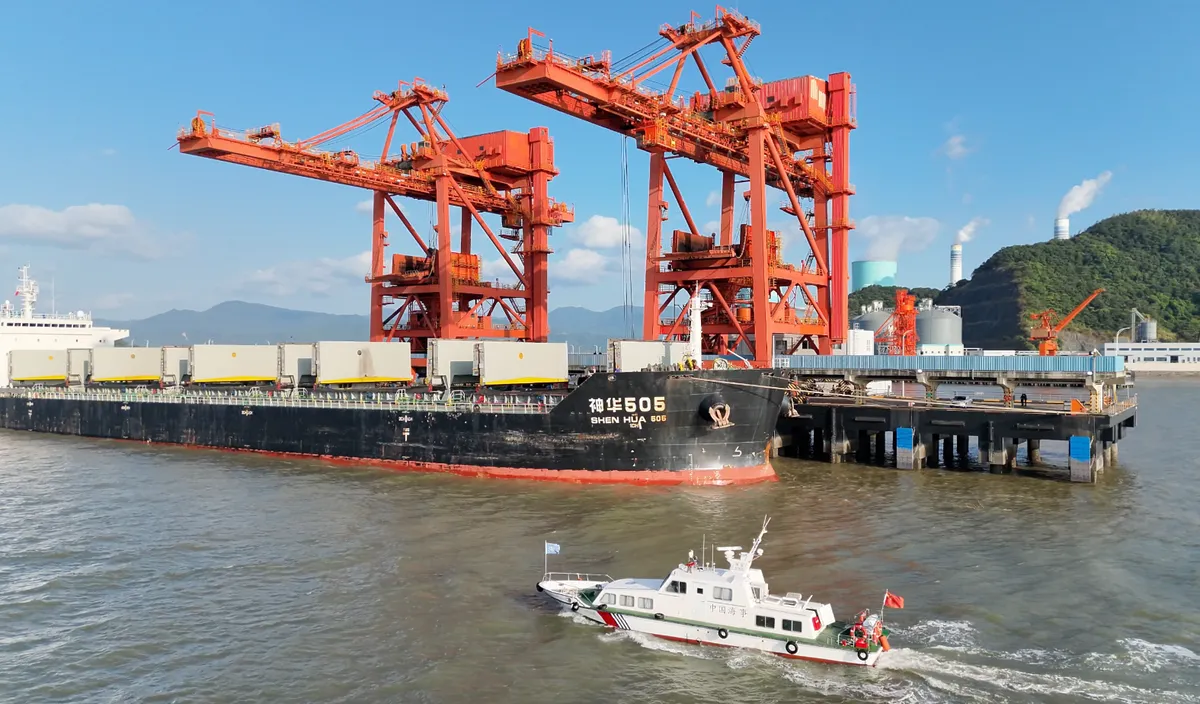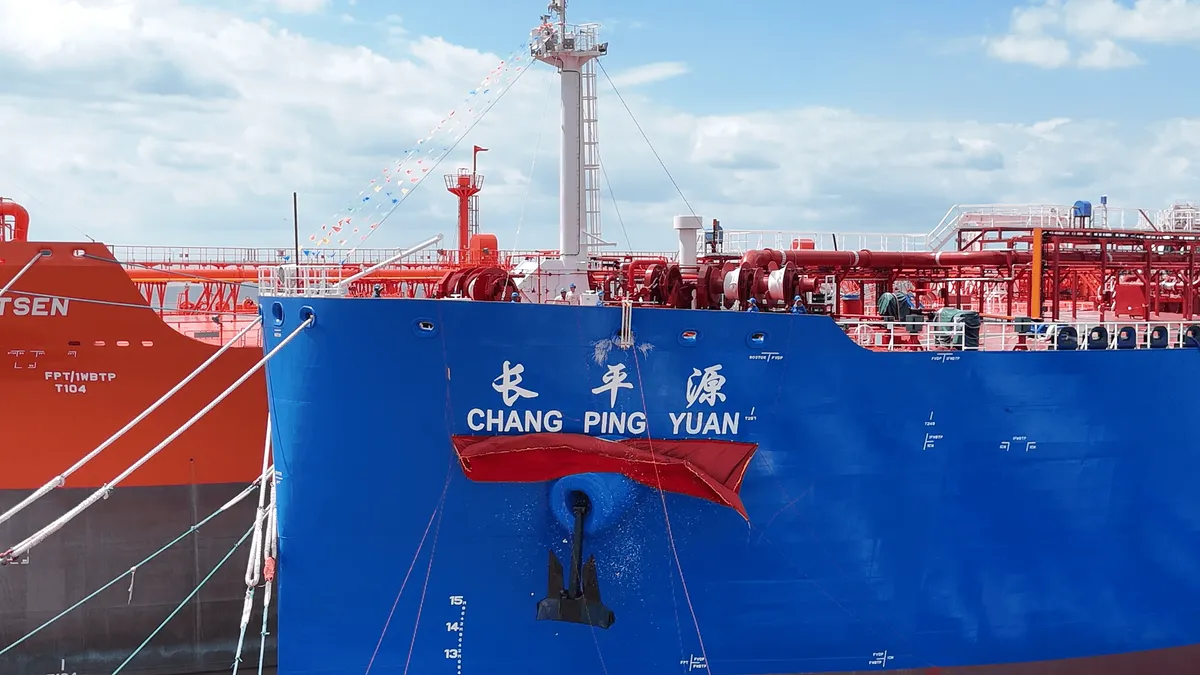
Tianjin Xin'gang Maritime Bureau focuses on five major aspects to steadily advance the special action plan for ship air pollution prevention and control in the autumn and winter seasons.
To implement the deployment of the "Tianjin Maritime Bureau's 2026–2027 Autumn-Winter Special Action Plan for Ship Air Pollution Prevention," the Tianjin Xingang Maritime Bureau is leveraging the dense concentrations of ships and busy operations in its jurisdiction. It focuses on five critical areas: fuel oil control, shore power usage, exhaust gas treatment, green operations, and collaborative law enforcement. Through "five focuses," the bureau is precisely conducting special attacks, strictly and meticulously pressing the environmental responsibility of enterprises, ships, and terminals, and making every effort to establish a robust line of defense against ship air pollution during the autumn and winter seasons.
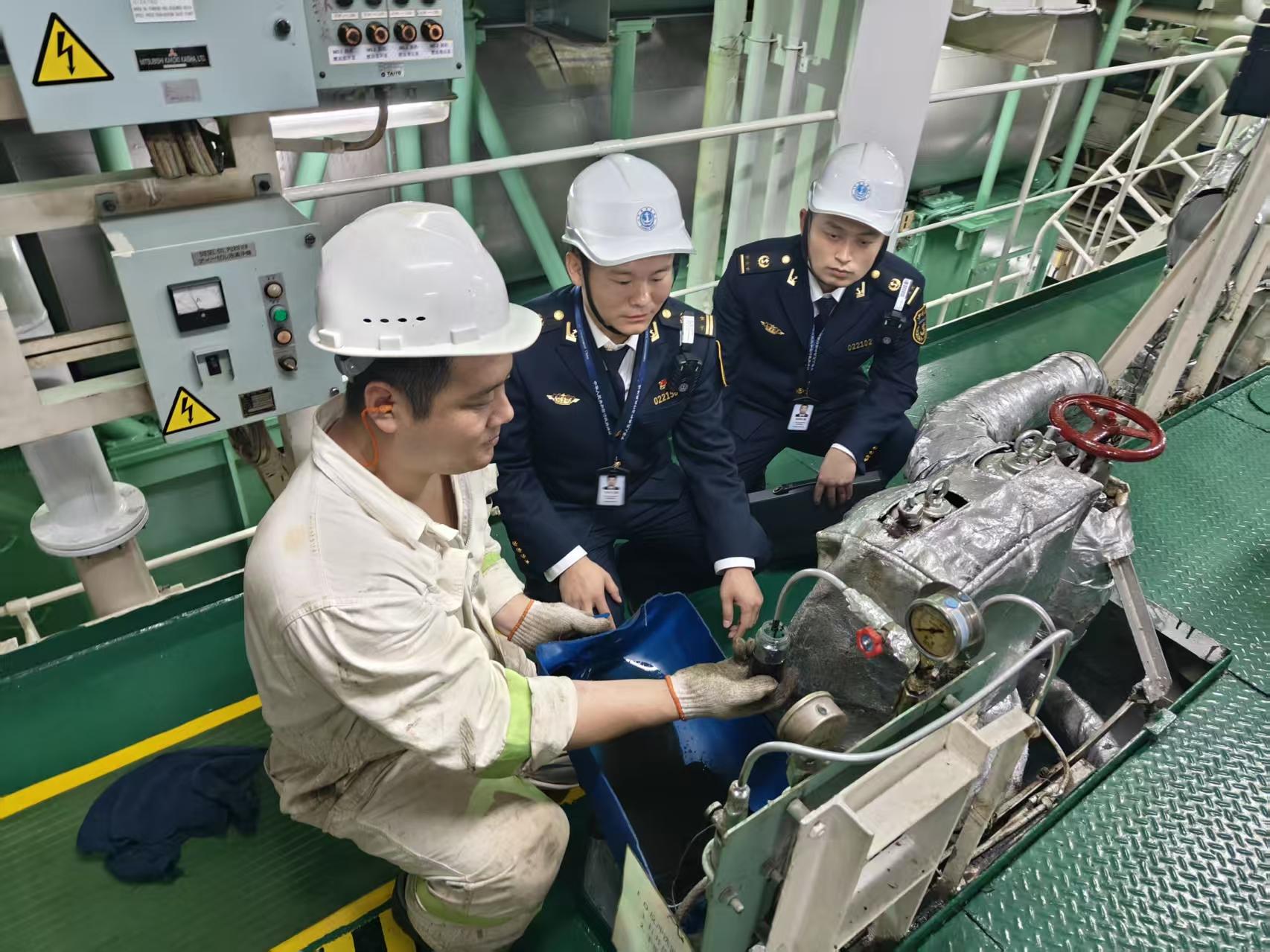
Focus on fuel quality inspection, strictly comply with the sulfur cap
Since the launch of the special action, officials have boarded and inspected 32 ships and collected 18 batches of fuel oil samples for rapid testing and laboratory re-verification. Enforcement personnel are paying close attention to oil record books, engine logs, oil supply and receipt certificates, and retained fuel samples. They urge relevant ships to make immediate corrections and submit rectification reports, strictly preventing the use of non-compliant fuel and ensuring rigid implementation of the 2020 global marine fuel sulfur cap requirements.
Focus on shore power usage inspection, promote "maximum connections" for docked ships
Shore power special inspections have been continuously deepened, with 14 pier patrols carried out and 38 docked vessels verified for shore power usage. The inspections prioritize foreign trade vessels, long-term moored ships, shore power connections, electricity usage duration, and equipment operating conditions. Officials inspect the effectiveness of exhaust gas cleaning systems and alternative emission reduction facilities like onboard energy storage devices. They identify and rectify issues with shore power connection failures or irregularities, promptly informing port and shipping departments to ensure a closed-loop correction process. Efforts aim to overcome problems such as unused, falsely used, or discontinued shore power, effectively increasing the usage rate at docks.
Focus on key vessel management, reinforce control over major emissions
Attention is focused on high-risk targets like liquid cargo ships and old vessels. Officials inspect nine liquid cargo ships, primarily checking the operating condition, operation logs, and pipeline sealing of vapor recovery devices to strictly control unorganized emissions of volatile organic compounds. They selectively inspect engine-modified vessels, verifying compliance with nitrogen oxide emissions standards and legal inspection procedures. Simultaneously, they complete checks of energy consumption and carbon intensity data for 18 vessels over 400 gross tons, ensuring vessels accurately report energy usage and implement green emission reduction measures.
Focus on fuel operations monitoring, build a robust green operating safety line
Comprehensive supervision of fuel supply and receiving operations is achieved across the jurisdiction, with field supervision conducted on nine occasions. Before operations, officials rigorously check operation filing, staff qualifications, and anti-pollution plans. During operations, they closely monitor onsite to strictly inspect issues like illegal fuel transfers, pipeline leaks, and missing records. Officials also oversee updates to fuel supply company filing materials and address two cases of non-compliance during pre-operation checks. They tackle potential risks of fuel leakage and other pollution sources at the operational level, ensuring standardized, green management of ship fuel operations during autumn and winter.
Focus on regional collaborative linkage, maintain strict enforcement pressure on violations
Relying on the collaborative supervision mechanism for ship pollution prevention around the Bohai Sea, the bureau shares ship environmental defect information and cooperates with Bohai Sea maritime departments for joint control measures. They promote the integration of enforcement and public awareness efforts, conducting on-site environmental policy advocacy based on the 2020 global marine fuel sulfur cap and the "Environmental Protection Code of the People's Republic of China." Minor violations are corrected and educated on-site, while severe violations are strictly penalized. These actions guide shipping enterprises and vessels to consciously fulfill their environmental responsibilities, building a collaborative approach to green maritime governance.
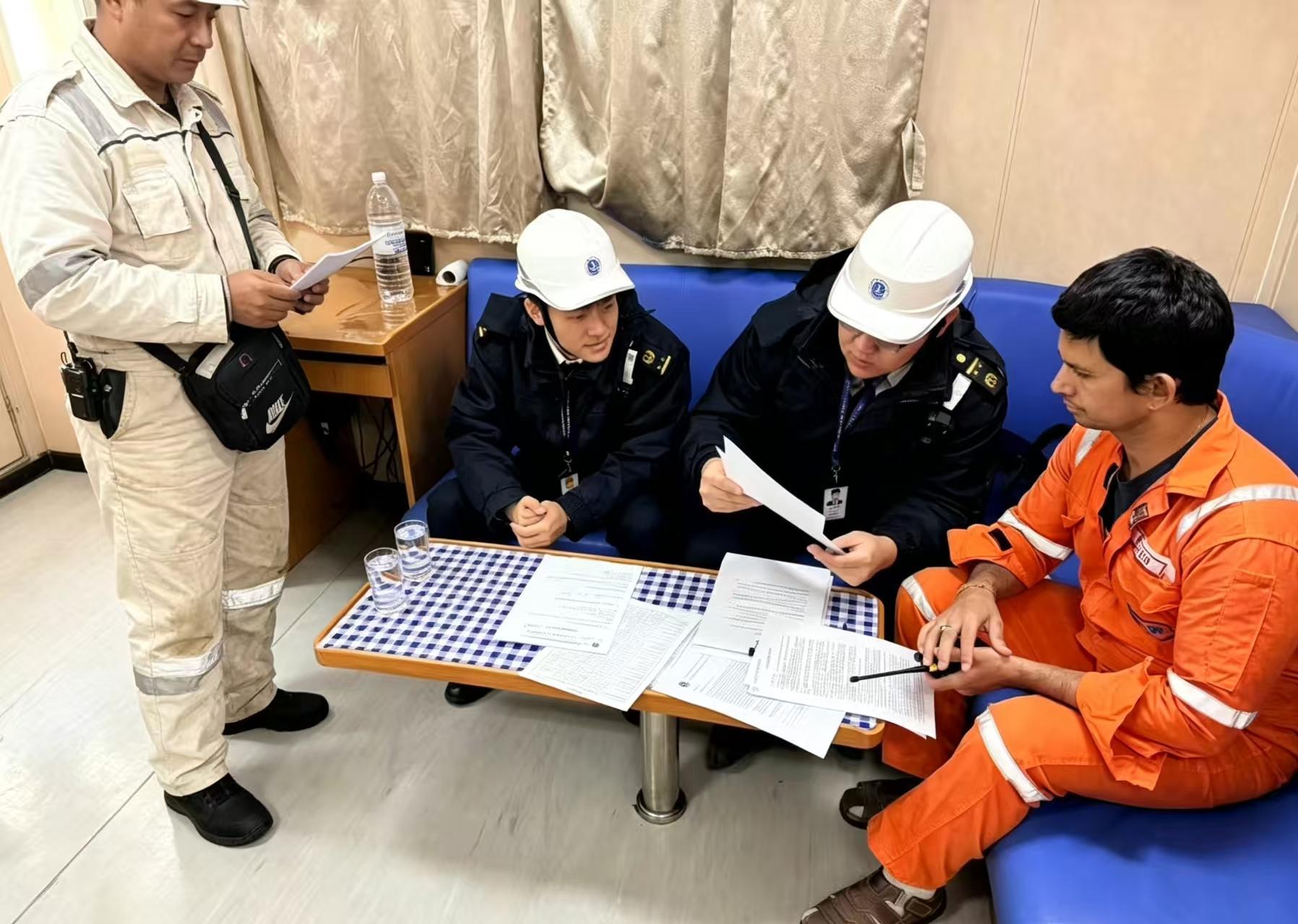
Moving forward, the Tianjin Xingang Maritime Bureau will continue to reinforce on-site supervision of autumn-winter air pollution prevention, dynamically addressing weak links in air pollution control. They will also focus on strengthening regular and precise supervision mechanisms to ensure that ship air pollution prevention measures are effectively implemented, striving to protect the blue skies and clear seas.
-
Tianjin Xin'gang Maritime Bureau focuses on five major aspects to steadily advance the special action plan for ship air pollution prevention and control in the autumn and winter seasons.3282
-
The Fourth National Maritime Youth Academic Forum and Progress Exchange Meeting on National Natural Science Foundation Projects in the Maritime and Shipping Field was held in Wuhan.3415
-
The Chongming Maritime "Yingxin" Crew Station "COSCO Shipping Station" is now operational.4172
-
Hebei Port Group's Four-Year Anniversary of Restructuring and Development | Accelerating the Transformation into a Comprehensive Ocean Economy Service Provider, Courageously Leading the Way for Coastal Economic Rise 4993
-
From the Ancient Canal Route to Navigable Access to the Sea — Exploring the Revival Path of Shaanxi's Waterway Transport3093