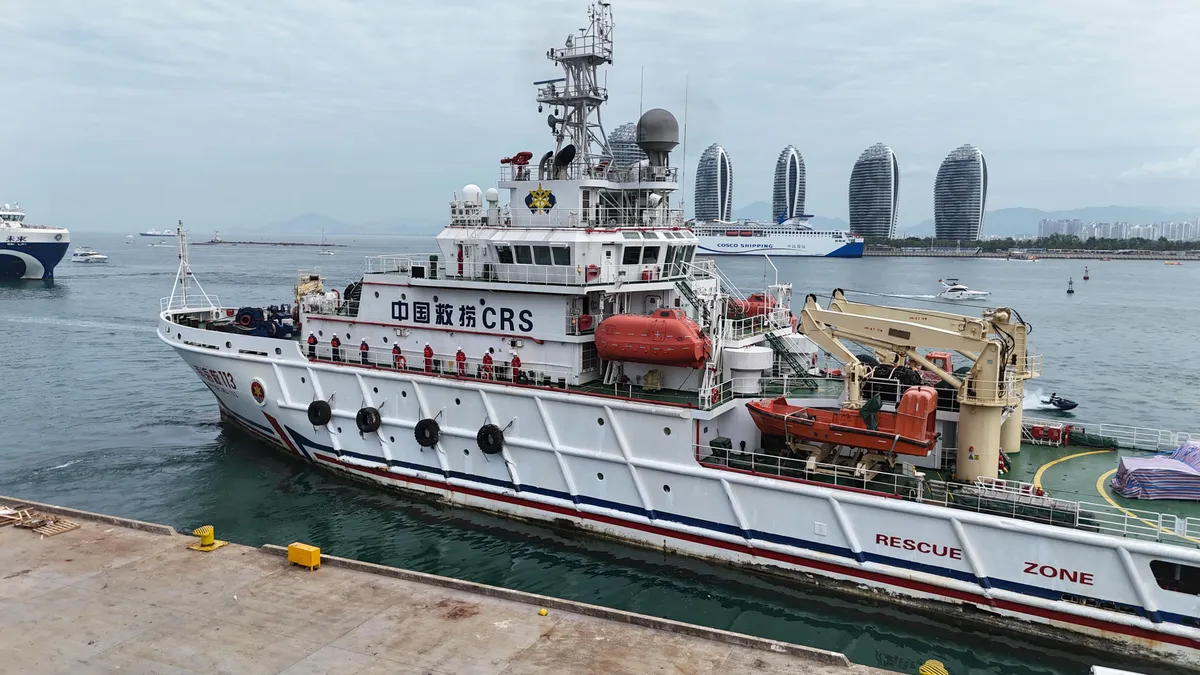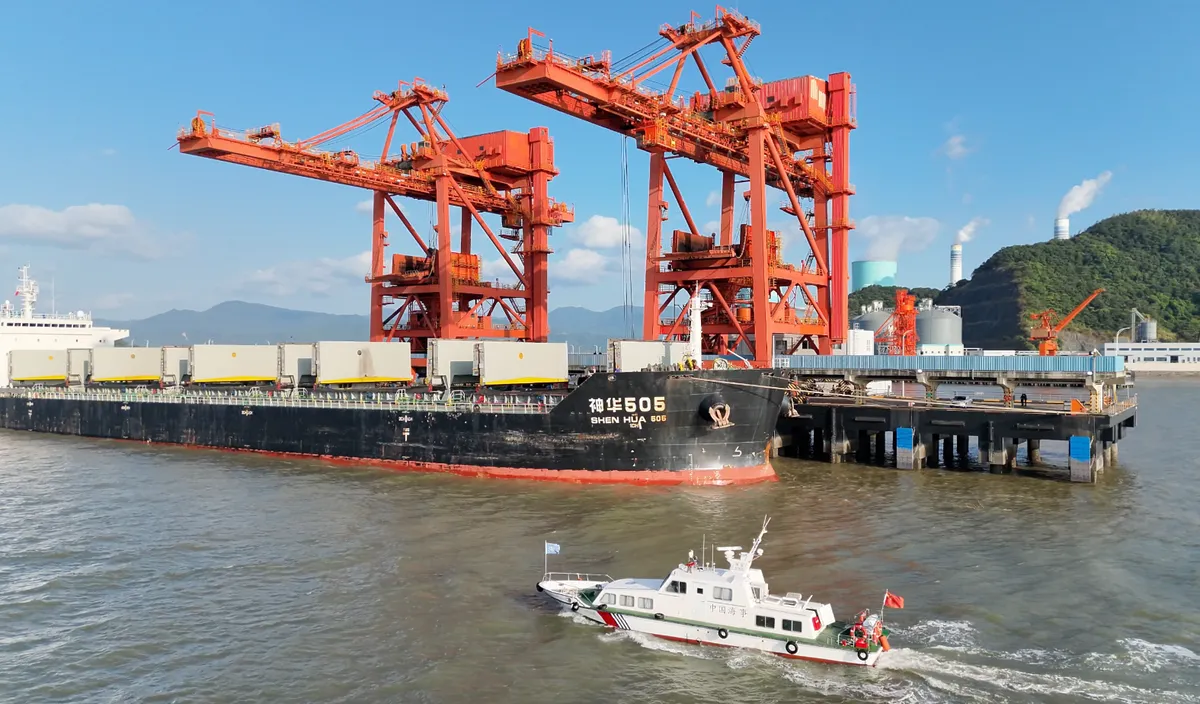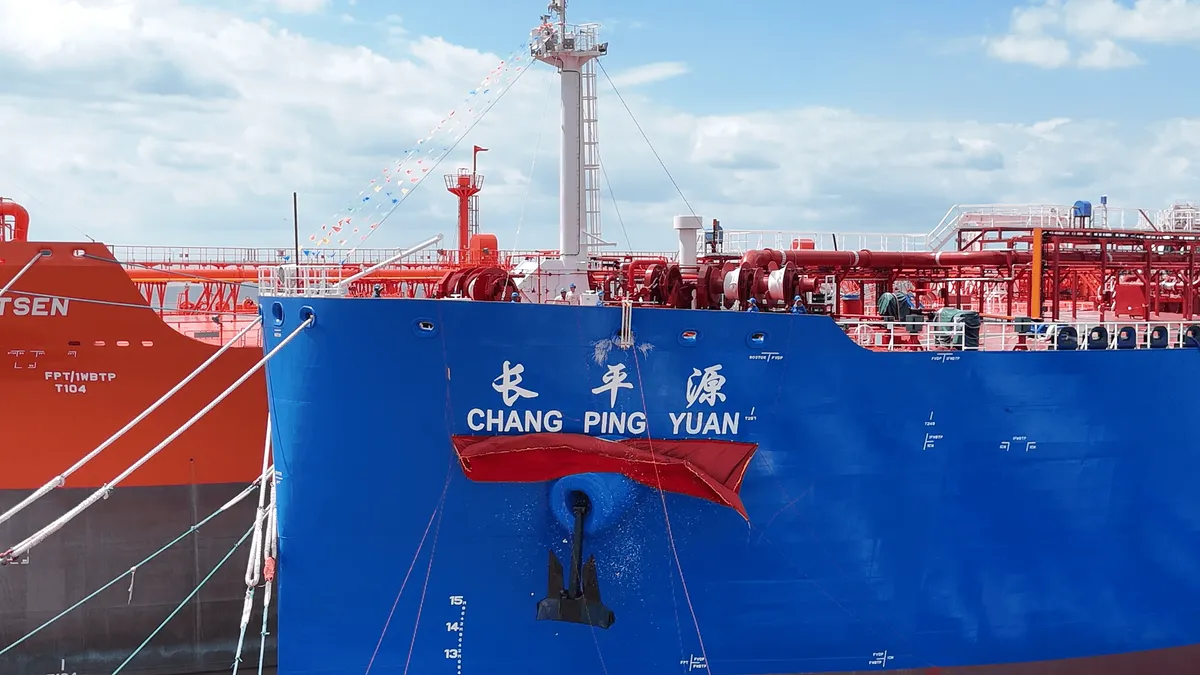
Tianjin Xingang Maritime Safety Administration improves the "Four-Grasp Closed-Loop" mechanism to prevent the risk of open-flame operations on ships in the port.
Tianjin Xingang Maritime Safety Administration, focusing on the characteristics of lashing and securing operations for vessel-borne general and bulk cargoes in the jurisdiction, firmly addresses fire risks associated with hot work during lashing and securing. They emphasize pre-evaluation for risk assessment, focusing on key priorities for site inspections, conducting simultaneous checks and construction to ensure a closed-loop management, and emphasizing publicity and awareness. They aim to strengthen investigations and rectifications of hazards associated with hot work operations in the port area.
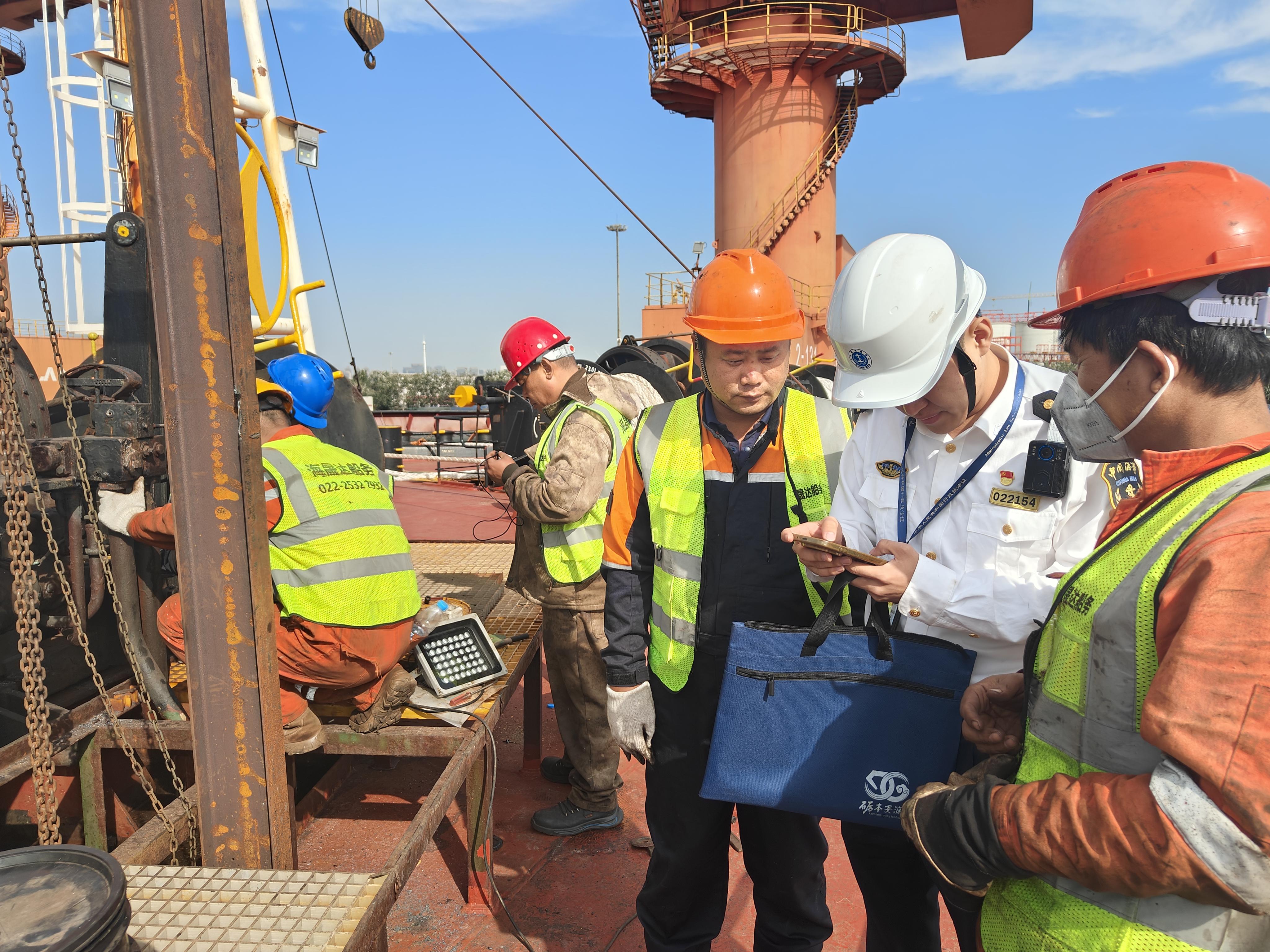
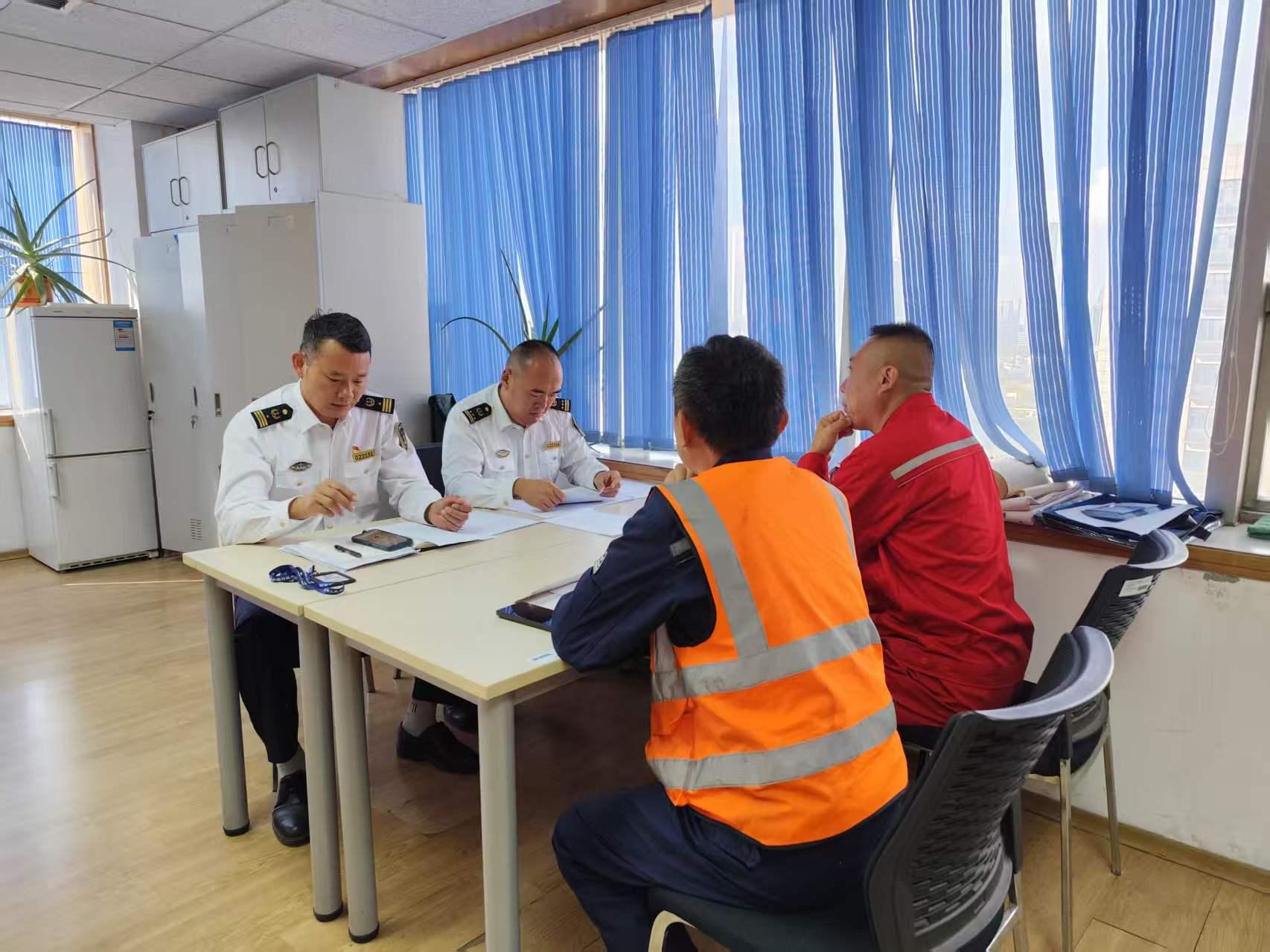
First, advance the checkpoint to improve the accuracy of on-site supervision. Daily morning meetings are held to summarize and evaluate hot work registration information for the day. Each project’s operation, start time, and personnel arrangements are confirmed via phone, forming an inspection checklist. Law enforcement resources are allocated to ensure boarding inspections during operations, preventing on-site supervision gaps due to communication breakdowns. Second, focus on key areas to promptly mitigate site risks. Inspections are carried out on critical aspects such as the tripartite joint inspection mechanism, ship-shore communications, personnel qualifications and pre-job training, duties performance of safety officers and supervisors, fire-fighting equipment allocation, and oxygen and explosion testing. Issues such as unclear primary responsibilities, inadequate implementation of responsibilities, and seven types of hazard problems, including incomplete tripartite inspections, poor ship-shore communication, untrained temporary welders, insufficient fire isolation, and lack of oxygen and explosion testing in confined spaces, were identified for ship owners, operations teams, and port authorities. Enforcement personnel halted non-compliant operations immediately, documented evidence, clarified rectification requirements, and held discussions with relevant operational units to oversee corrective measures. Third, conduct simultaneous checks and build a closed-loop regulatory mechanism. Based on special inspection practices, a closed-loop supervision mechanism for hot work on ships within the port was established, linking registration information verification, precise boarding inspections, blacklist management, unit accountability discussions, and problem analysis. Units with hidden hazards were notified item by item about the risks, given rectification requirements, specific deadlines, rectification plans review, and the effectiveness of the corrections was verified through document reviews, phone inquiries, and on-site re-inspections. It was emphasized that operations will not resume unless the corrections form a closed loop. For vessels, operators, and personnel suspected of violations, the implementation of the upper-level directive for managing blacklists of hot work units was mandatory, and relevant information was reported to Tianjin Maritime Safety Administration following procedures. Additionally, enhancing supervisory control and hot work blacklist management requirements is essential, strengthening subsequent registration reviews and on-site inspections. Fourth, draw lessons and reinforce awareness and reminders. Addressing common issues exposed during special inspections, a "Ten Dos and Don'ts" safety guide on hot work for ships in the port was created. Clear requirements focused on ten aspects were communicated on-site to vessels, terminals, and operational units, promoting the implementation of safety measures in specific positions and tasks.
Next, the Tianjin Xingang Maritime Safety Administration will align on-site inspections with enterprise rectifications and continuously improve the closed-loop regulatory mechanism. It will urge operational units to reflect, self-inspect, and correct themselves, thereby steadily enhancing the risk prevention and control level for hot work operations within the jurisdiction.
-
Harnessing Water to Thrive, Writing a New Chapter; Steering Forward with Determination, Leading the Tide—Written on the Occasion of the 75th Anniversary of the CCCC Water Transport Planning & Design Institute3906
-
Tianjin Xingang Maritime Safety Administration improves the "Four-Grasp Closed-Loop" mechanism to prevent the risk of open-flame operations on ships in the port.3947
-
Guangzhou Seafarer Competency Assessment Demonstration Center welcomes its first nationwide sea-going crew competency re-examination.3628
-
The embankment grows fresh greenery, egrets accompany the boat's journey — embarking on a boat to explore the "beautiful waterway" of the Li River.4783
-
The first zero-carbon container shipping route in the Guangdong-Hong Kong-Macao Greater Bay Area has officially been launched.3832