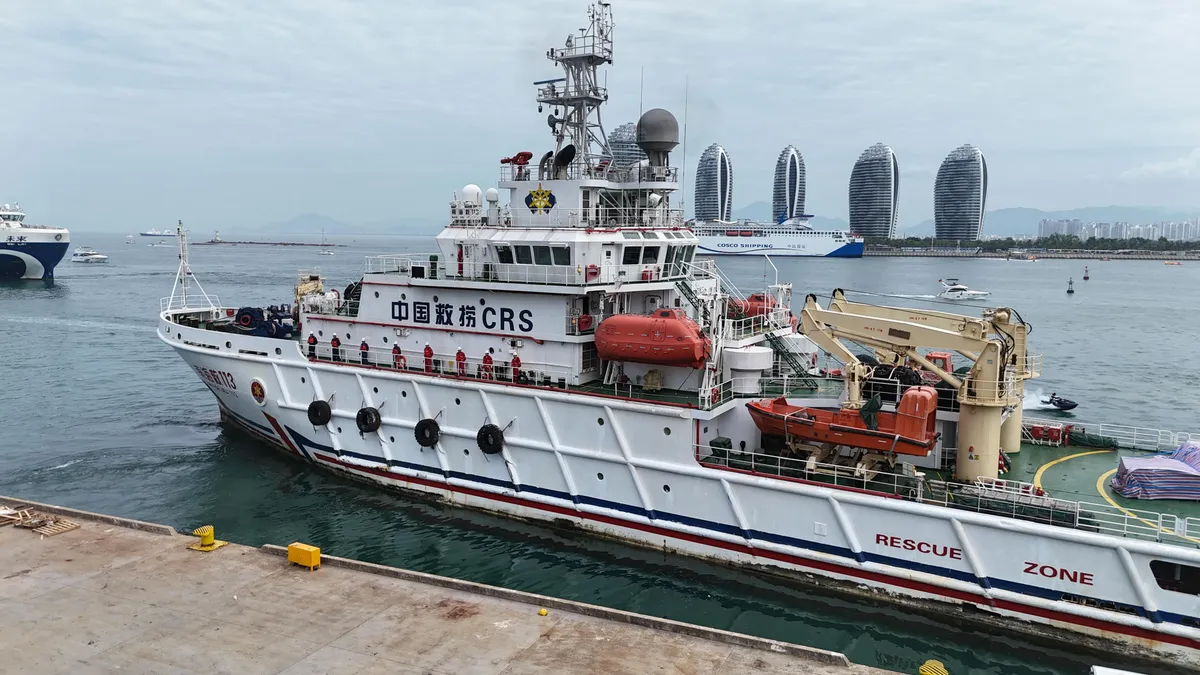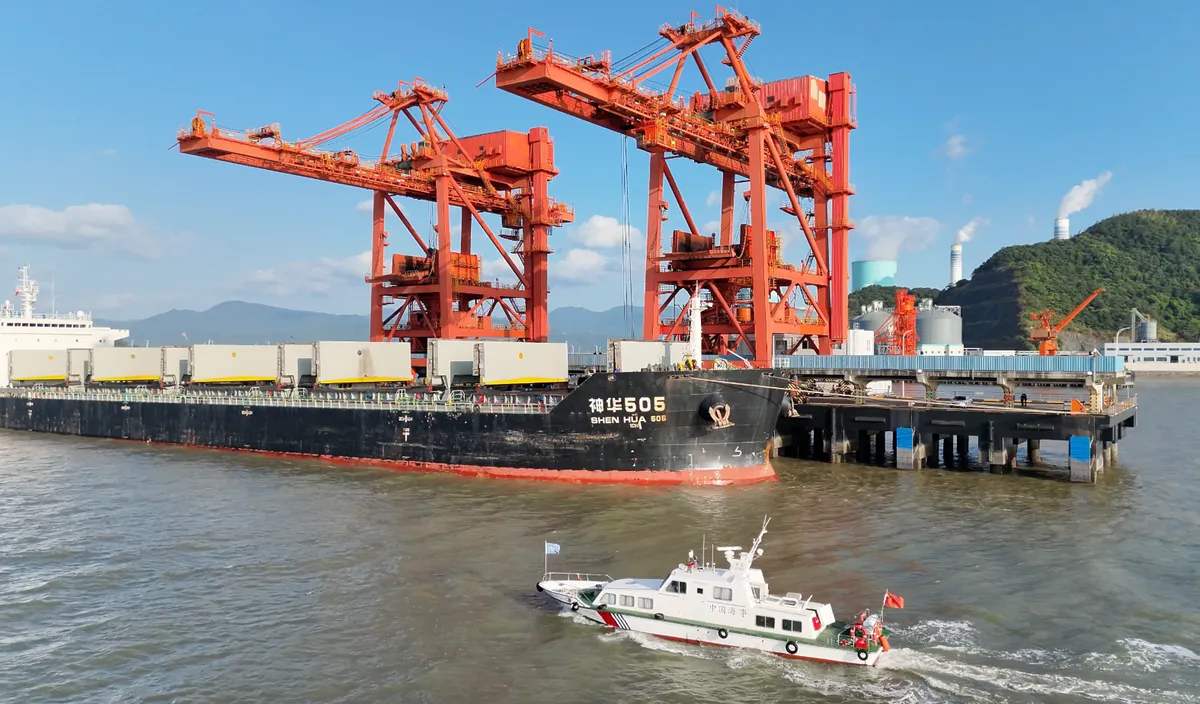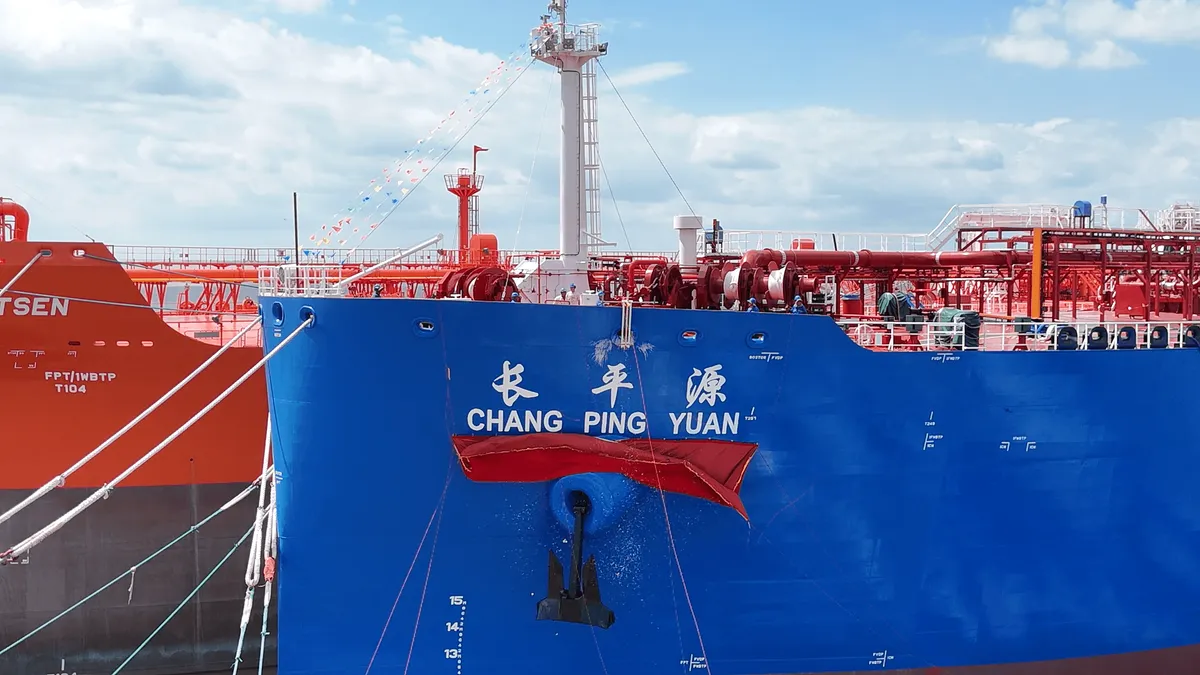
Rising to second place globally, the Ningbo-Zhoushan Port recorded a 19.8% year-on-year increase in container throughput during the first two months of this year.
Recently, the production and operation data for major ports nationwide for the first two months of this year have been released. From January to February, Ningbo Zhoushan Port achieved a container throughput of 7.987 million TEUs, with a year-on-year growth rate as high as 19.8%. This growth rate far exceeds the national average of 9.8% for major ports.
Against the backdrop of ongoing geopolitical conflicts affecting global trade routes, this growth is particularly remarkable.
Thanks to the breadth and depth of its port route network, Ningbo Zhoushan Port currently maintains a total of over 300 routes, covering more than 700 ports in over 200 countries and regions worldwide. This route layout enables it to promptly switch logistics paths when certain routes are disrupted.
Meanwhile, the ongoing smart transformation continues to enhance terminal operation efficiency, ensuring uninterrupted and efficient 24-hour operations even during periods of tight transport capacity.
Currently, Zhejiang Seaport Group is advancing improvements in both "hardware" and "software." On one hand, it is accelerating major infrastructure projects listed in the national "15th Five-Year Plan," such as the Fodu Container Terminal and the Beilun Railway Branch Line, to further address the bottlenecks in Ningbo Zhoushan Port's collection and distribution system. On the other hand, Ningbo Zhoushan Port is actively leveraging the advantages of multimodal transport, including sea-rail intermodal transport and river-sea intermodal transport, to reduce reliance on single maritime channels and accelerate the construction of a strong port framework with land-sea connectivity and two-way openness.
According to Zhejiang Daily, on April 1, Zhejiang Provincial Party Secretary Wang Hao presided over a scheduling meeting at the Provincial Department of Transportation, emphasizing the unwavering advancement of building a world-class strong port and a strong transportation province, and accelerating the creation of a modern transportation system and modern logistics system.
He also pointed out the need to deeply plan paths, methods, and policy measures to stabilize supply chains and industrial chains, closely track and analyze the operational trends of the international transportation market, increase efforts to expand international routes, strengthen policy reserves, and help implement the "stabilize, expand, optimize" strategy.
For Ningbo Zhoushan Port, the current challenges are also opportunities. Centered on its goal positioning as a global key port and logistics hub and a global key bulk commodity storage and transportation base, Ningbo Zhoushan Port is building a strategic pivot for domestic circulation and a strategic hub for dual domestic and international circulation. It is not limited to being a "mover of containers" but is actively developing a full industry chain model of "storage + processing + trade" to enhance its pricing power and influence over strategic materials such as iron ore and crude oil, improve its ability to extend upstream in the industrial chain, and strive to be the "anchor of stability" in global trade.
-
Ningbo Zhoushan Port LNG refueling covers Jintang Port Area.3973
-
Taizhou Maritime's "Triple Insurance" ensures the safety of passengers traveling the Dachen Red Tourism Route.4264
-
Year-on-year growth of 52.7%! Taicang Port's shipment of energy storage containers surpasses 10,000 natural containers.4569
-
Ningbo Maritime Authorities Fully Respond to the Peak of Waterway Travel During the National Day Holiday4412
-
Fuzhou Aids to Navigation Office Implements Multiple Measures to Safeguard Maritime Navigation Safety3888